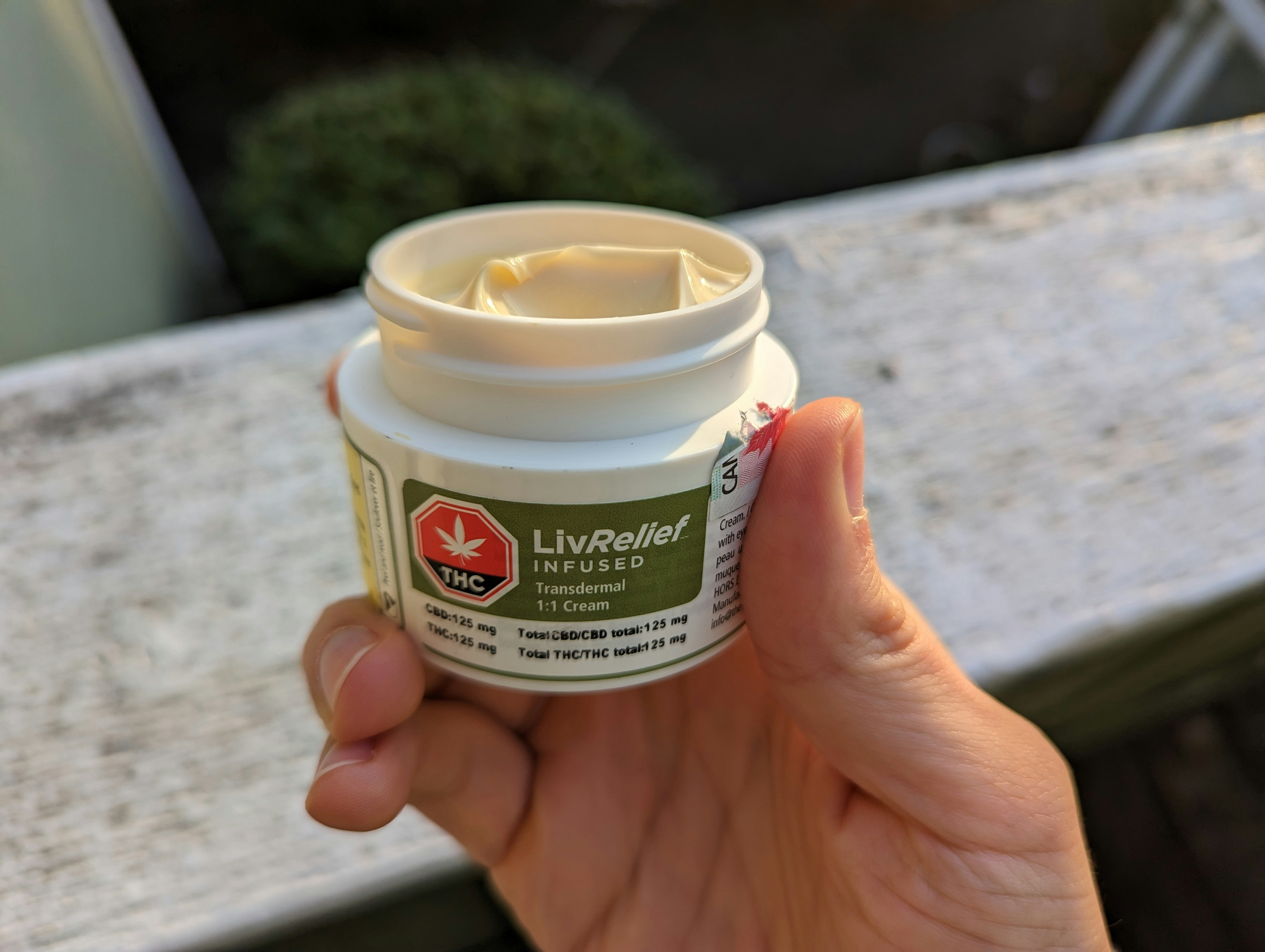
Understanding Joint Inflammation and its Causes
Joint inflammation, also known as arthritis, is a medical condition characterized by the swelling, redness, and pain experienced in the joints. This inflammation serves as an immune response to various triggers, indicating an underlying issue that requires attention. In joint inflammation, the body’s immune system mistakenly attacks the joint tissues, leading to the characteristic symptoms and potential long-term damage.
One of the primary factors contributing to joint inflammation is age. As individuals age, their joints undergo wear and tear, which can result in conditions such as osteoarthritis. This degenerative disease is particularly common and results from the breakdown of cartilage that cushions the joints. Additionally, rheumatoid arthritis is an autoimmune disorder that occurs when the immune system attacks the synovium, the lining of the joints, leading to inflammation and pain.
Another significant cause of joint inflammation is overuse. Athletes or individuals engaged in repetitive movements often find themselves susceptible to joint pain and inflammation. Enduring excessive strain or engaging in improper physical activities can exacerbate conditions such as tendonitis and bursitis, both of which result in joint inflammation.
Lifestyle choices—including diet and physical activity—also play pivotal roles in the development and management of joint inflammation. A diet high in sugars and trans fats can lead to increased inflammation, while a diet rich in omega-3 fatty acids, antioxidants, and vitamins can help alleviate symptoms. Furthermore, maintaining a balanced level of physical activity can strengthen the muscles around the joints, providing better support and reducing inflammatory responses.
Understanding these causes of joint inflammation is essential for developing effective natural management strategies. By recognizing the factors that significantly influence joint health, individuals can implement proactive measures aimed at reducing inflammation and improving overall joint function.
Lifestyle Strategies to Reduce Inflammation
Reducing joint inflammation naturally involves significant lifestyle changes that can have lasting impacts on overall health. One of the most pivotal aspects is ensuring adequate sleep. Research indicates that poor sleep quality can exacerbate inflammation levels in the body. Adults typically require between seven and nine hours of restful sleep each night. To promote better sleep, individuals should establish a regular bedtime routine, create a comfortable sleep environment, and minimize exposure to screens before bed.
Stress management is another critical element in reducing joint inflammation. Chronic stress triggers the release of inflammatory markers, which can exacerbate joint pain and swelling. Practicing relaxation techniques such as mindfulness meditation, yoga, or deep-breathing exercises can significantly alleviate stress levels, promoting a healthier inflammatory response. Furthermore, regular physical activity not only enhances overall fitness but also serves as a potent tool for reducing stress and inflammation. Engaging in low-impact exercises, such as swimming or biking, can help maintain joint health while supporting overall well-being. You can learn more about natural approaches to reduce joint pain in our guide on Natural Ways to Reduce Joint Inflammation.
Weight management plays a crucial role in addressing joint inflammation. Extra weight can place undue stress on joints, particularly weight-bearing ones such as the knees and hips. Maintaining a healthy weight through a balanced diet rich in anti-inflammatory foods, like fruits, vegetables, whole grains, and lean proteins, can help minimize inflammation. Individuals can utilize tools like meal planning and regular physical activity to support weight maintenance. In conjunction with these lifestyle adjustments, proper hydration should not be overlooked, as staying well-hydrated can enhance joint lubrication and function.
Nutrition: The Role of Anti-Inflammatory Foods and Supplements
Diet plays a significant role in managing joint inflammation, with certain foods exhibiting potent anti-inflammatory properties. Incorporating a variety of nutrient-dense foods can help mitigate inflammation levels, ultimately supporting joint health. Among the essential food groups, fruits and vegetables are rich in antioxidants, vitamins, and minerals that combat oxidative stress. Berries, leafy greens, and cruciferous vegetables, such as broccoli and kale, are particularly noted for their anti-inflammatory capabilities due to their high levels of polyphenols and flavonoids.
Additionally, healthy fats, particularly those found in fatty fish like salmon and mackerel, are characterized by their omega-3 fatty acids. Omega-3s are known for their ability to reduce the production of inflammatory markers in the body. For individuals unable to consume sufficient amounts of fish, high-quality fish oil supplements can be a viable alternative. When selecting a supplement, it is essential to seek those that are third-party tested for purity and potency. Endurance athletes experience similar inflammatory stress. See how fatty acids help recovery in Omega-3 for Runners.
Turmeric, another prominent anti-inflammatory agent, contains curcumin, a compound recognized for its potential to alleviate inflammation. Curcumin supplements may enhance joint function and reduce stiffness, particularly in conditions like arthritis. To optimize absorption, it can be beneficial to consume turmeric with a source of fat and black pepper, which enhances its bioavailability.
Furthermore, collagen and glucosamine have gained attention as supplements that potentially support joint health. Collagen may improve cartilage integrity, while glucosamine is often used to reduce joint pain and improve mobility. When considering these supplements, individuals should look for those derived from reputable sources and, if possible, consult a healthcare professional to ensure they are making informed decisions.
If you want a full overview of nutrients that support joint recovery, see our guide to Best Supplements for Joint Health.
Exercise and Recovery Strategies for Joint Health
Engaging in physical activity is a fundamental approach to managing and reducing joint inflammation. Various exercise strategies can be particularly effective. Strength training helps in building muscle around the joints, providing them with additional support and stability. Low-impact cardio activities, such as swimming or cycling, are excellent for promoting joint health while minimizing stress on the joints. Mobility exercises, including stretching and yoga, enhance flexibility and range of motion, further aiding in the alleviation of stiffness and pain.
Incorporating these exercises requires thoughtful planning. It is advisable to start with short durations and gradually increase intensity and duration based on individual tolerance levels. Expect gradual improvements over time, typically within a few weeks of consistent practice, though results will vary based on individual conditions and commitment to the regimen.
In addition to exercise, recovery strategies play a crucial role in joint health. Understanding the benefits of heat versus ice therapy can significantly impact recovery. Applying ice can help reduce inflammation and numb acute pain, while heat therapy can relax and loosen tissues, helping to alleviate stiffness in the joints. Compression garments may also aid in reducing swelling by providing support and improving blood circulation.
Another important aspect is the balance between movement and rest. It is crucial to ensure that while regular movement is encouraged, adequate rest is provided to allow the joints to recover from exertion. The key is to listen to the body, adjusting activities as needed to avoid overexertion.
Seeking professional guidance is advisable for individuals experiencing persistent joint issues. A healthcare provider can offer tailored advice and trigger more refined treatment strategies, ensuring that exercise and recovery approaches are safe and effective. See our guide on how to train safely with joint discomfort.