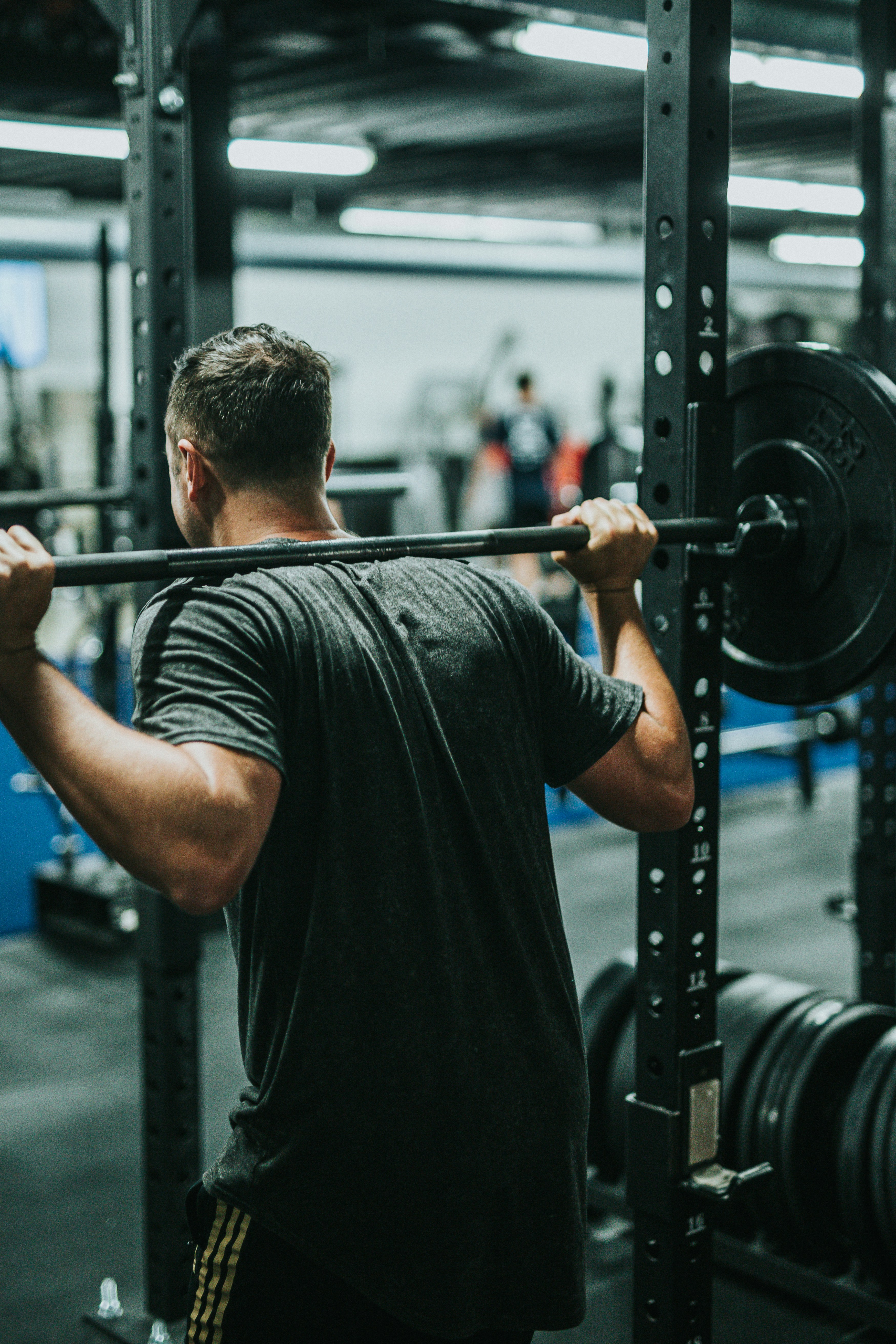
Understanding Knee Function During Squats
Knee pain after squats is common, especially when inflammation, mobility restrictions, or joint stress are present. If you want a full overview of nutrients that support joint recovery, see our guide to Best Supplements for Joint Health.
The knee joint is a vital component of human mobility, particularly during weight-bearing activities such as squats. Structurally, the knee is comprised of bones, cartilage, ligaments, and muscles, each playing a critical role in facilitating movement and providing stability. The primary bones making up the knee include the femur, tibia, and patella, which articulate at the joint to allow a range of motion necessary for squatting.
Supporting the knee are four key ligaments: the anterior cruciate ligament (ACL), the posterior cruciate ligament (PCL), the medial collateral ligament (MCL), and the lateral collateral ligament (LCL). These ligaments function collectively to restrain excessive movement and maintain alignment during activities such as squatting. The muscles surrounding the knee, particularly the quadriceps at the front and hamstrings at the back, also contribute to stability and control. Proper engagement of these muscle groups is essential for efficient knee function during squats.
During the squat motion, the knee joint undergoes flexion and extension. When descending into a squat, the knee bends, distributing weight and allowing for balance. Ideally, the knee should track over the toes, ensuring that the forces acting upon it are evenly distributed. However, deviations from this alignment, whether due to weakness in the supporting muscles, tightness in surrounding tissues, or improper techniques, can lead to undue stress on the knee joint. This misalignment can manifest as pain, often signaling underlying issues that require attention. For more in-depth details, see our guide for How to Train Safely with Joint Discomfort.
Understanding the intricate mechanics of the knee during squats is critical for identifying potential causes of discomfort. By recognizing the importance of proper form and muscle engagement, individuals can take proactive steps to minimize the risk of pain and injury associated with squatting activities.
Endurance athletes experience similar inflammatory stress. See how fatty acids help recovery in Omega-3 for Runners.
Common Causes of Knee Pain After Squats
Knee pain after performing squats can stem from a variety of factors. Understanding these causes is crucial for addressing and preventing discomfort. One prevalent issue is poor squat form, which can manifest in several ways. For instance, when knees collapse inward during the descent, it places undue stress on the knee joint, leading to pain. Similarly, excessive forward travel of the knees or lifting the heels off the ground can compromise stability, resulting in discomfort.
Weakness in the glutes and hips is another significant contributor to knee pain. These muscle groups play a vital role in stabilizing the pelvis and knees during squats. If they are weak, the body may rely more heavily on the quadriceps, which can lead to imbalances and pain. Complementarily, limited ankle mobility can hinder proper squat mechanics. If the ankles cannot flex adequately, compensatory movements can cause strain on the knees.
Overuse is also a common cause of knee discomfort post-squats, especially for individuals who may rapidly increase their training load without allowing for adequate recovery. This overloading can result in injuries or pain. Furthermore, muscle imbalances between the quadriceps and hamstrings can create uneven stress across the knee joint, leading to discomfort. Lastly, conditions such as patellofemoral pain syndrome, which is characterized by pain around the kneecap, can also arise from improper squat techniques or muscle weakness.
Inflammation plays a major role in knee discomfort during training. You can learn more about non-drug approaches in our guide on Natural Ways to Reduce Joint Inflammation.
Step-by-Step Fixes and Strategies
Addressing knee pain after squats often involves a multifaceted approach focusing on form, strength, and recovery. First and foremost, ensuring proper squat technique can significantly reduce knee stress. Key form cues include maintaining an upright torso, pushing the knees outward rather than allowing them to cave in, and ensuring that the knees track over the toes throughout the movement. This alignment not only protects the joints but also enhances the effectiveness of the squat.
Incorporating mobility exercises into your routine is essential. Dynamic stretches for the hips, quadriceps, and hamstrings can improve flexibility and readiness for squatting. Specific exercises such as hip openers, ankle mobility drills, and leg swings can create greater joint range of motion, ultimately leading to safer squats.
Additionally, integrating strength-building movements that target the knee stabilizers can alleviate discomfort. Exercises like lunges, step-ups, and glute bridges enhance the balance and strength of supporting muscles, helping to better distribute forces across the knee joint during squats. It is also vital to be mindful of your programming; adjusting the volume, intensity, and frequency of your squats can help manage existing knee discomfort. Consider starting with lower weights and gradually increasing as strength improves to avoid exacerbating pain.
Exploring alternative squat variations can also be beneficial. Box squats, which require sitting back onto a box, and goblet squats, where a weight is held at the chest, often reduce knee strain. Tempo squats, which involve slowing down the eccentric phase, can further help in mastering proper form while minimizing stress on the knees.
Lastly, adopting effective recovery strategies is crucial. Establishing a warm-up routine that activates relevant muscle groups, managing loads responsibly, and honoring the need for deload weeks can ensure that the body remains prepared for physical activity while minimizing the risk of knee pain in the future.
Many lifters benefit from nutrients that support cartilage and connective tissue. We compare two of the most popular options in Glucosamine vs Collagen for Joint Pain.
When to Seek Professional Help and Supplement Support
When experiencing persistent knee pain after performing squats, it is essential to recognize when to seek professional medical advice. Typically, if knee discomfort lasts more than a few days, significantly affects daily activities, or is associated with swelling, instability, or severe pain, consulting a healthcare professional is advisable. Early intervention can often lead to better recovery outcomes and prevent further injury.
Moreover, professional help may be warranted if the pain was triggered by a specific incident, such as an accident or improper squatting technique. Conditions like patellar tendinitis, bursitis, or cartilage damage may manifest as pain in the front or sides of the knee. A qualified healthcare provider can assess the underlying cause through physical examination or imaging studies and suggest an appropriate treatment plan.
In addition to seeking professional advice, certain dietary supplements have gained popularity for their potential benefits to joint health. Omega-3 fatty acids, commonly found in fish oil, are known for their anti-inflammatory properties and may provide relief for those suffering from knee discomfort. Similarly, collagen supplements can promote joint health by supporting cartilage structure and integrity. Curcumin, the active ingredient in turmeric, may also offer anti-inflammatory benefits, while glucosamine is often used in combination with other supplements to support cartilage repair and overall joint function.
While these supplements may assist individuals with various knee conditions, it is crucial to remember that they should complement, not replace, medical treatment. Anyone considering supplementation should consult a healthcare provider to tailor recommendations that meet their specific needs and monitor any potential interactions with existing medications or treatments.
Understanding your body’s signals is key in managing knee pain effectively. Therefore, integrating professional guidance with supportive dietary options can pave the way for improved joint health and a more active lifestyle.
If you want a simple starting point, here are the Best Supplements for Joint Health (Evidence-Based Picks).