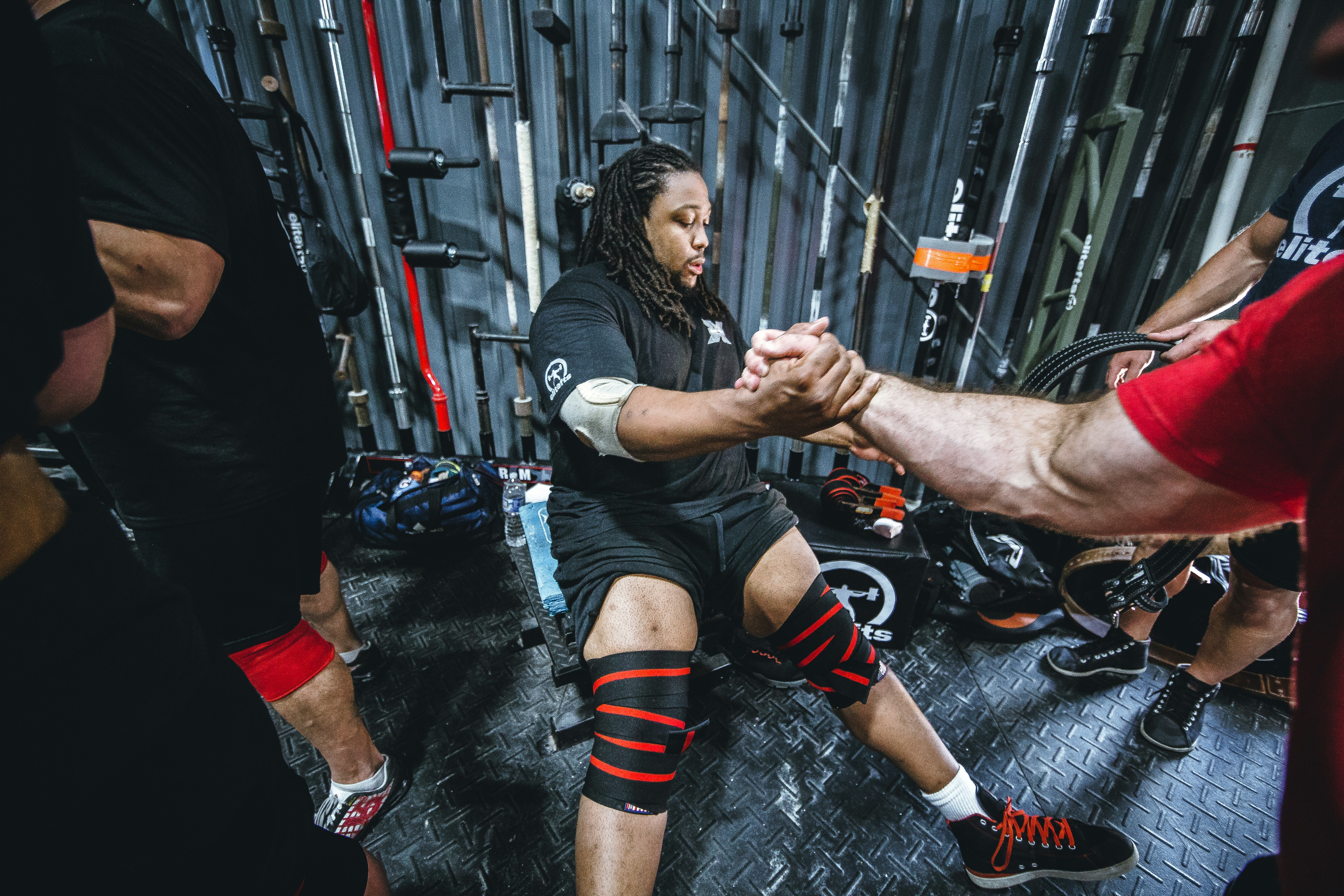
Squats are arguably one of the best compound movements for building strength among other things. While they primarily focus on the quads, they also activate the core, back and hips. Because so many muscles are involved, more calories are burned compared to exercises that only involve the legs which stimulates the release of muscle building hormones, including testosterone, human growth hormone (HGH), and insulin-like growth factor-1 (IGF-1)—which drive muscle protein synthesis and tissue repair. Additionally, engaging the largest muscles in the body helps your body pull glucose directly from the bloodstream, which is especially effective when performed after a meal. Long story short, squats, while performed correctly and safely are great for your health, but sometimes because of improper squat techniques, previous injuries, muscle imbalances, and even over-training knee pain can set back progress and cause discomfort. In the following article knee pain after squats will be discussed, including causes, fixes, supplements that may help, and when to worry.
Introduction
Knee pain serves as a prevalent concern for many athletes, particularly those engaged in high-impact activities such as running, weightlifting, cycling, and various sports. For countless individuals, the experience of discomfort and pain in the knee region can be disheartening, dramatically affecting not only athletic performance but also training consistency and overall physical health. The ability to perform squats, a fundamental movement in strength training, becomes increasingly compromised with the onset of knee pain, leading to adjustments in technique or even the cessation of certain exercises altogether.
Beyond the physical limitations imposed by knee pain, there exists a psychological burden as well. Athletes may find themselves grappling with frustration and anxiety about their ability to maintain performance levels, achieve fitness goals, and safely participate in their chosen activities. This dual impact highlights the importance of understanding the underlying causes of knee pain and finding practical solutions to mitigate its effects.
As we delve deeper into the topic, we recognize that knee pain can arise from a variety of factors, including improper squat techniques, previous injuries, muscle imbalances, and even over-training. Each of these elements can exacerbate the discomfort, making it crucial for athletes to adopt a comprehensive approach to both prevention and rehabilitation. A practical examination of knee pain post-squats will allow readers to explore actionable strategies for relief and improvements while promoting awareness of signs that require professional intervention.
In addressing this widespread issue, our focus remains steadfast on empowering readers to navigate their experiences with knee pain effectively. The insights gained from this exploration will not only benefit the athletes experiencing discomfort but also provide valuable information for coaches, trainers, and fitness enthusiasts committed to fostering a safe and effective exercise environment.
Understanding Why Lifters Develop Knee Pain
Knee pain after squats is a common issue faced by many lifters, and several factors can contribute to this discomfort. One prevalent reason is poor form during squats. When lifters do not maintain proper alignment of their knees over their toes or allow excessive forward movement, this can lead to increased stress on the knee joint. This improper technique not only jeopardizes the effectiveness of the squat but also raises the risk of injury, revealing the importance of proper educational resources and guidance.
Another factor that can lead to knee pain is overtraining. Engaging in excessively intense workout routines without adequate rest can result in joint stiffness and inflammation. The body needs time to recover and repair after exertion, and failing to allow this can exacerbate any existing knee pain. Lifters should be cautious about their training volumes, ensuring to incorporate rest days and cross-training to allow the knees to recover adequately.
Additionally, muscle imbalances may play a significant role in causing knee pain. If certain muscles, such as the quadriceps, hamstrings, or glutes, are stronger or more developed than their opposing muscle groups, this can lead to uneven stress distribution across the knee joint. For instance, underdeveloped glutes can result in increased knee strain during squats. Strengthening exercises targeting the weaker muscle groups can help counteract this imbalance and promote overall knee health.
A proper warm-up routine can also make a notable difference in preventing knee pain. A thorough warm-up increases blood flow to the muscles and enhances flexibility, which in turn prepares the body for the demands of rigorous weightlifting. Lifters should incorporate dynamic stretches and mobility exercises to optimally prepare their bodies before engaging in squats.
Common Supplement Ingredients: Pros, Cons, and Realistic Expectations
In the pursuit of alleviating knee pain after squats, the utilization of dietary supplements has become increasingly prevalent. Various supplements claim to support joint health and reduce inflammation. Among these, glucosamine and chondroitin are widely recognized. These ingredients are often taken in tandem to help maintain cartilage health and improve joint function. Research indicates that although benefits vary among individuals, some users report reduced knee pain and improved mobility. However, it is essential to note that not all studies consistently support their effectiveness, and results may depend on the severity of the joint condition.
Turmeric, particularly in its bioactive form, curcumin, is another popular supplement associated with anti-inflammatory properties. Multiple studies highlight its potential in pain relief; however, its bioavailability can be a concern, suggesting that combining it with black pepper may enhance absorption. Despite its benefits, users should manage expectations, as effects may take time and are not universally experienced.
Another noteworthy supplement is collagen, which has gained attention for its potential to support joint health and alleviate pain. Evidence suggests that consistent collagen supplementation may lead to increased cartilage production. Nevertheless, individuals should approach with realistic expectations, as effects may vary based on dosage and personal health conditions.
Omega-3 fatty acids, commonly derived from fish oil, also demonstrate anti-inflammatory properties that may beneficially impact joint health. Studies indicate that they can help reduce joint stiffness and pain, but results may be variable based on individual dietary habits. Lastly, Methylsulfonylmethane (MSM) is gaining traction among those seeking relief from joint pain. Preliminary research indicates it may help reduce pain and inflammation, although comprehensive studies are still needed.
In summary, while these supplements may offer promising benefits in managing knee pain post-squat, individual responses differ. Consulting with healthcare professionals before starting any supplement regimen is advisable to ensure the best outcomes for specific health needs.
What Helped My Knee Pain
Experiencing knee pain after squats can be disheartening and even discouraging. I found myself grappling with this issue during my fitness journey. Initially, I dismissed the discomfort as a minor issue, but it soon escalated. Ultimately, I knew I had to take my knee pain seriously to prevent further injury and re-establish my fitness routine.
After consulting with a physiotherapist, I learned that proper form is crucial while squatting to prevent knee injuries. I began to focus on my squat technique, ensuring my knees did not extend beyond my toes and that my weight was distributed evenly across my feet. Integrating warm-up routines specific to my knees before workouts was also beneficial. Gentle stretches improved flexibility and prepared my body for the strain of squatting.
Aside from adjustments in my workout routine, I also explored dietary supplements. Omega-3 fatty acids, known for their anti-inflammatory properties, became a staple in my daily regimen. This incorporation seemed to ease some of the inflammation around my knees, contributing to overall comfort and recovery. Additionally, I made lifestyle changes by prioritizing regular activities that fostered joint health, such as swimming and low-impact exercises, which put less stress on my knees yet allowed me to stay active.
I also found great relief through targeted exercises recommended by my physiotherapist. Strengthening my hamstrings and quadriceps significantly improved my knee stability, allowing me to return to squats gradually. Patience was key throughout this healing process. I learned to listen to my body, and when necessary, I opted for rest days to facilitate recovery.
Overall, by combining proper technique, nutritional support, and tailored exercises, I managed to alleviate my knee pain significantly. My experience reflects that addressing knee pain after squats is possible with dedication and the right approach.
Training Recovery: Mobility and Load Management Tips
Optimizing recovery is an essential aspect of any training regimen, particularly for athletes experiencing knee pain after squats. Balancing training intensity with appropriate recovery techniques aids in preventing injuries and ensuring sustained performance. First and foremost, athletes should prioritize mobility exercises. These exercises help maintain flexibility and joint health, which is vital in managing knee discomfort. Incorporating dynamic stretches and foam rolling into warm-up and cool-down routines can significantly enhance mobility. Stretching the quadriceps, hamstrings, calf muscles, and hip flexors will facilitate improved range of motion, thus alleviating undue stress on the knee joint.
Load management strategies are equally imperative. This involves regulating the intensity and volume of workouts to avoid exacerbation of knee pain. Athletes should adhere to the principle of progressive overload, allowing time for adaptation before increasing weights or repetitions. Implementing periodization can further assist in balancing high and low-intensity training blocks, enabling sufficient recovery time for the knee. Athletes should also consider incorporating cross-training methods that reduce impact, such as cycling or swimming, providing relief while maintaining fitness levels.
Listening to one’s body is crucial in the context of knee pain management. Athletes often push through discomfort, but it is essential to differentiate between usual fatigue and potential distress signals. If pain persists beyond a few sessions, or if swelling occurs, it is crucial to adjust the training plan accordingly. Engaging in active recovery days, such as walking or yoga, can facilitate joint recovery without imposing excessive strain.
Incorporating these mobility and load management tips into a training routine will not only aid in alleviating knee pain but also contribute to overall athletic performance. The focus should always be on creating a sustainable approach to training that prioritizes health and well-being.
Comparison Table of Supplement Types and Best Use Cases
In the pursuit of optimal knee health, a variety of dietary supplements are available that cater to different needs and conditions. The following comparison table outlines the most common supplement types, their intended use cases, and the individuals who can benefit the most from them. This concise format aims to simplify the selection process for those looking to support their knee joint performance and overall health.
| Supplement Type | Intended Use Case | Beneficiaries |
|---|---|---|
| Glucosamine | Supports cartilage repair and joint function | Athletes and aging individuals |
| Chondroitin | Enhances cartilage elasticity and inhibits cartilage breakdown | Individuals with osteoarthritis |
| Turmeric (Curcumin) | Reduces inflammation and alleviates pain | People with joint pain and inflammation |
| Omega-3 Fatty Acids | Fights inflammation and supports joint lubrication | Athletes and those with joint stiffness |
| Collagen | Improves joint health and promotes collagen synthesis | Individuals experiencing joint degeneration |
| Bromelain | Reduces swelling and enhances recovery post-exercise | Athletes and active individuals |
This table highlights the importance of selecting appropriate supplements based on individual needs related to knee health. As dietary supplements are not a cure-all solution, it is crucial to consult with a healthcare provider before starting any new regimen, particularly if you are managing existing conditions or other health issues. A well-informed approach will lead to improved knee health and enhanced physical performance.
FAQs About Knee Pain After Squats
Knee pain after squats is a common concern among athletes and fitness enthusiasts. Understanding the reasons behind this discomfort can help in seeking appropriate treatment and making informed decisions about your training routine.
What causes knee pain after squats?
Knee pain may occur due to several factors, including improper squat form, muscle imbalances, overuse, or pre-existing conditions such as tendonitis or arthritis. Addressing these issues through proper technique, warm-up routines, and strengthening exercises for the surrounding muscles can alleviate pain.
What are effective treatment options for knee pain?
Treatment typically includes rest, ice application, and elevation to reduce inflammation. Additionally, over-the-counter pain relievers can provide temporary relief. For ongoing pain, physical therapy focusing on strengthening and flexibility exercises may be beneficial. Ensuring that a squatting technique is correct and does not place unnecessary stress on the knees is also crucial.
When should I seek medical advice?
If knee pain persists despite taking care of it at home or worsens with time, it is advisable to consult a healthcare professional. Signs that indicate the need for medical intervention include severe pain, swelling, instability, or difficulty bearing weight on the affected knee. A doctor can perform a thorough evaluation to identify any underlying issues.
Are supplements effective for preventing knee pain?
Some athletes consider supplements such as glucosamine, chondroitin, or omega-3 fatty acids to support joint health. However, the efficacy of these supplements can vary among individuals. It is crucial to review any supplement use with a healthcare professional, ensuring a comprehensive approach to joint care.
Actionable Takeaways for Lifters
Knee pain can be a significant issue for those who engage in squatting exercises, but with proper understanding and proactive measures, individuals can minimize discomfort and maintain their training regimen. The following actionable takeaways are designed to help lifters manage knee pain effectively.
First and foremost, it is essential to prioritize warm-up routines. Engaging in a thorough warm-up before commencing your squat session can help prepare the body for the physical demands ahead. Dynamic stretching and mobility exercises targeting the hips, knees, and ankles can significantly enhance flexibility and reduce the likelihood of injury.
Also, pay close attention to your squatting form. Ensure that your knees do not extend beyond your toes during the squat, as this can place excess strain on the knee joint. Focusing on proper biomechanics not only protects the knees but also promotes better overall strength development.
Incorporating strength training for supporting muscle groups is another effective strategy. Strengthening the quadriceps, hamstrings, and calf muscles contributes to better joint support and stability. This can be achieved through targeted exercises, such as leg extensions, hamstring curls, and calf raises.
Listening to your body is crucial. If you experience persistent knee pain during or after squatting, it may be wise to modify your exercise routine or reduce the weight you are lifting. Implementing appropriate rest days and considering cross-training options can help to alleviate pressure on your knees.
Lastly, do not hesitate to seek professional assistance. Consulting a physiotherapist or a qualified trainer can provide personalized recommendations and demonstrate the correct techniques that suit your unique physiology. Remember, promoting a culture of health and safety in training environments is essential for long-term athletic success.
Final Thoughts: A Balanced Approach to Knee Health
Maintaining knee health is paramount for athletes and fitness enthusiasts alike, particularly those who engage in strenuous activities such as squatting. Knee pain after squats can serve as a significant concern, but it is crucial to adopt a balanced approach to training, recovery, and overall knee health. By adhering to proper techniques and listening to one’s body, individuals can mitigate the risks associated with knee discomfort.
First and foremost, it is essential to integrate a well-rounded training regimen that emphasizes strength, flexibility, and stability. Performing exercises that target both the muscles around the knee and those that contribute to overall leg strength can enhance joint stability and reduce the likelihood of injuries. This balanced approach not only improves performance but also promotes long-term joint health.
In addition to training, prioritizing recovery is equally critical. Adequate rest, coupled with the implementation of recovery strategies, such as stretching and foam rolling, can alleviate tension in the knee joint. Moreover, nutritional support through a balanced diet rich in anti-inflammatory foods can significantly contribute to knee health, aiding in the recovery process after intense workouts.
For those experiencing knee pain, it is essential to recognize when an injury requires professional evaluation. Understanding that not all discomfort should be ignored allows for more effective management and can prevent further complications. While knee pain can pose a challenge to one’s fitness journey, effective strategies exist to address and manage these issues.
Ultimately, approaching knee health with a balanced mindset cultivates not only better performance but significantly enhances overall well-being. With the right precautions and proactive measures, individuals can confidently navigate their training while safeguarding their knees for the long haul.